What single-roof fabrication actually changes
The practical difference is not speed for its own sake. It is that when a bend comes back a degree out, the person who cut the blank is twenty steps away and the correction happens the same shift. When cutting and forming sit in different postcodes, that same correction is a courier run, a phone call and two days.
It also means one drawing is interpreted once. A flat pattern developed for our own press brakes carries the right bend allowance for the tooling that will actually form it — not a generic allowance that a second shop then has to argue with.
The process chain, in order
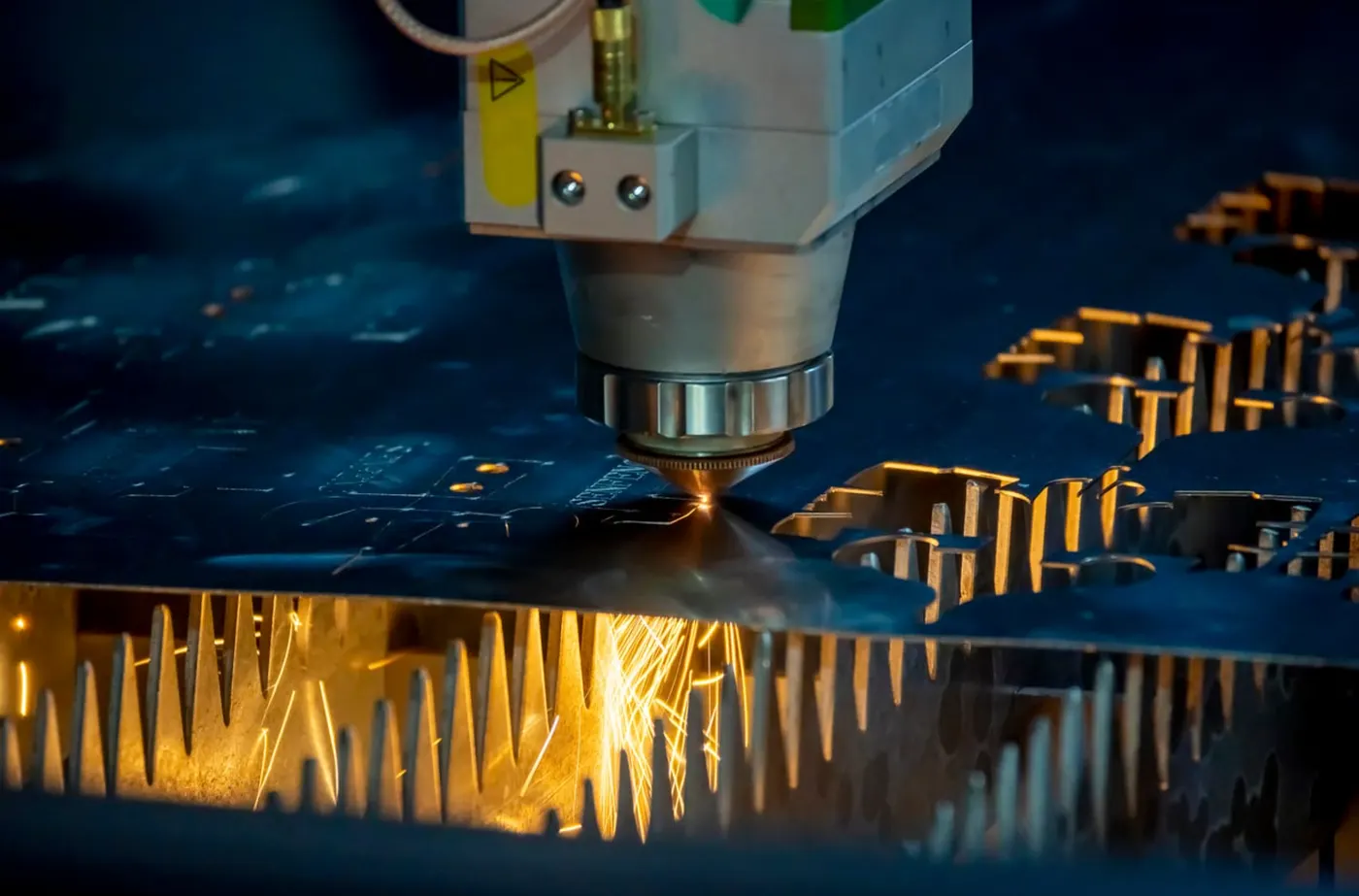
Fibre laser cutting opens the blank from CRCA, stainless or aluminium sheet at ±0.1mm on cut features, with edges clean enough to form against without deburring first. CNC punching adds ventilation slots, cable entries and mounting patterns in a single setup, which keeps hole-to-hole positions true across a full panel.
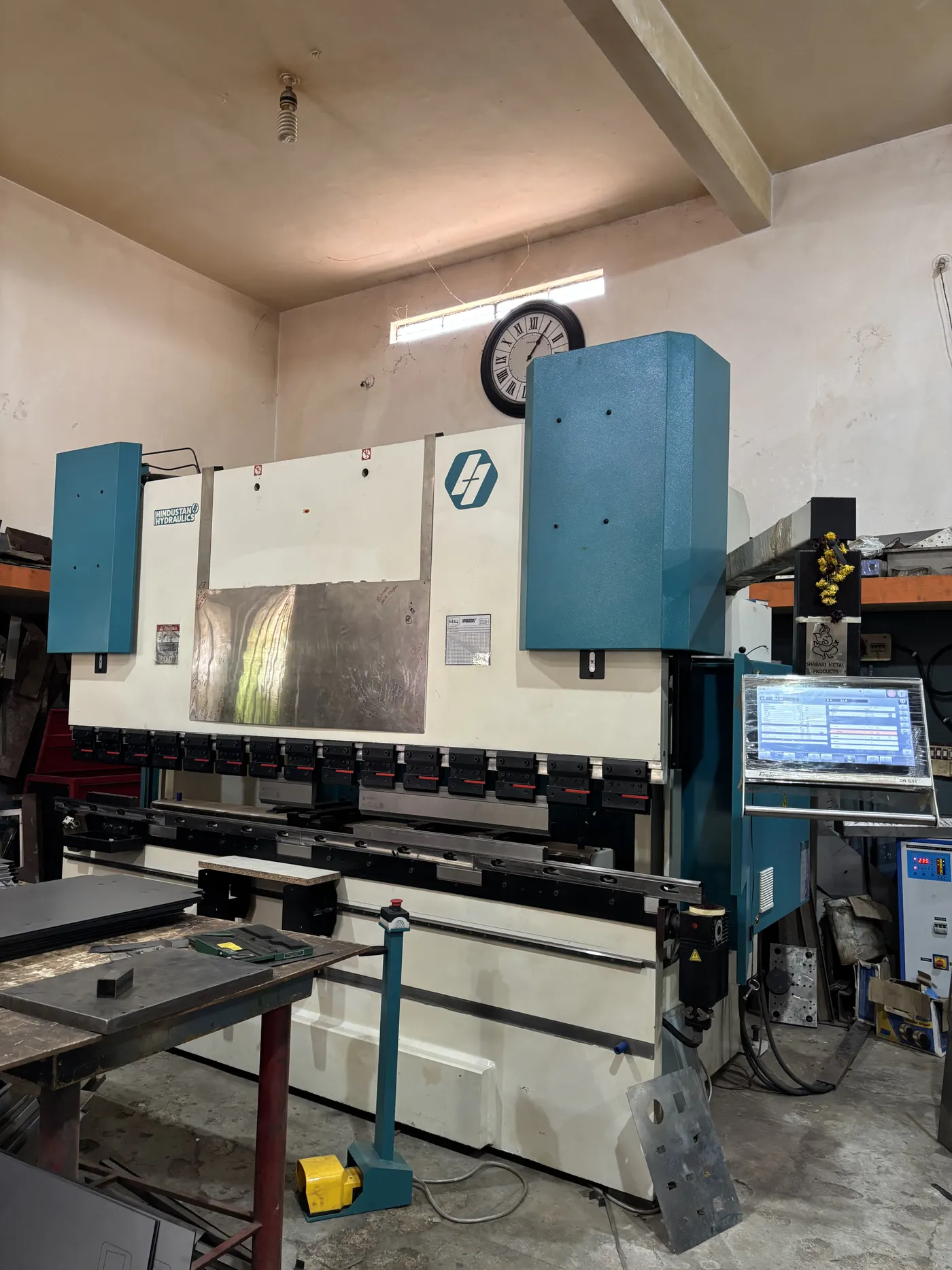
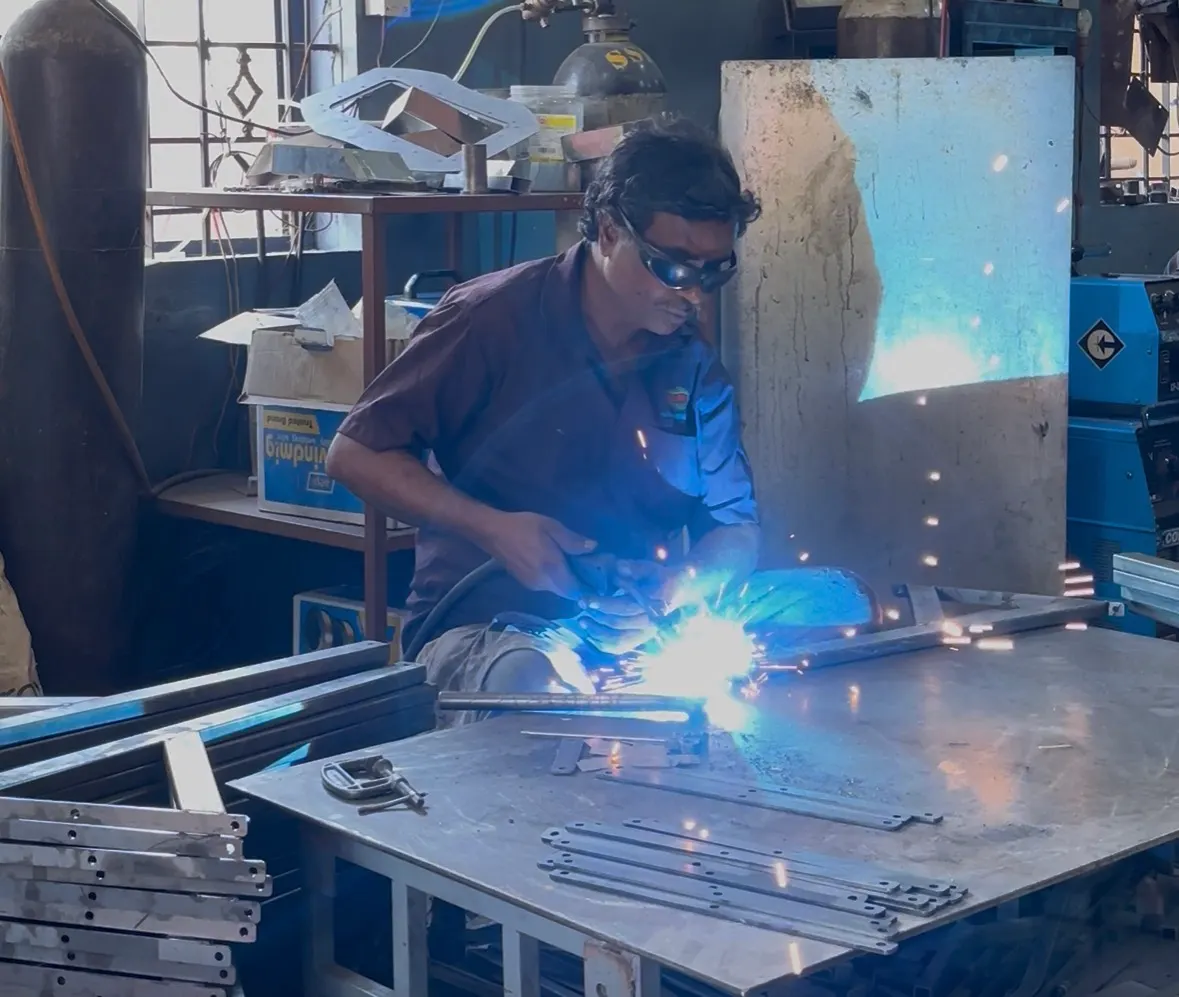
CNC press brakes take the flat to form, holding bend angle and internal radius consistently across a run. MIG, TIG, spot and laser welding close the seams, and those seams are dressed before finishing — a coat sprayed over an undressed weld telegraphs the joint underneath no matter how good the powder is.
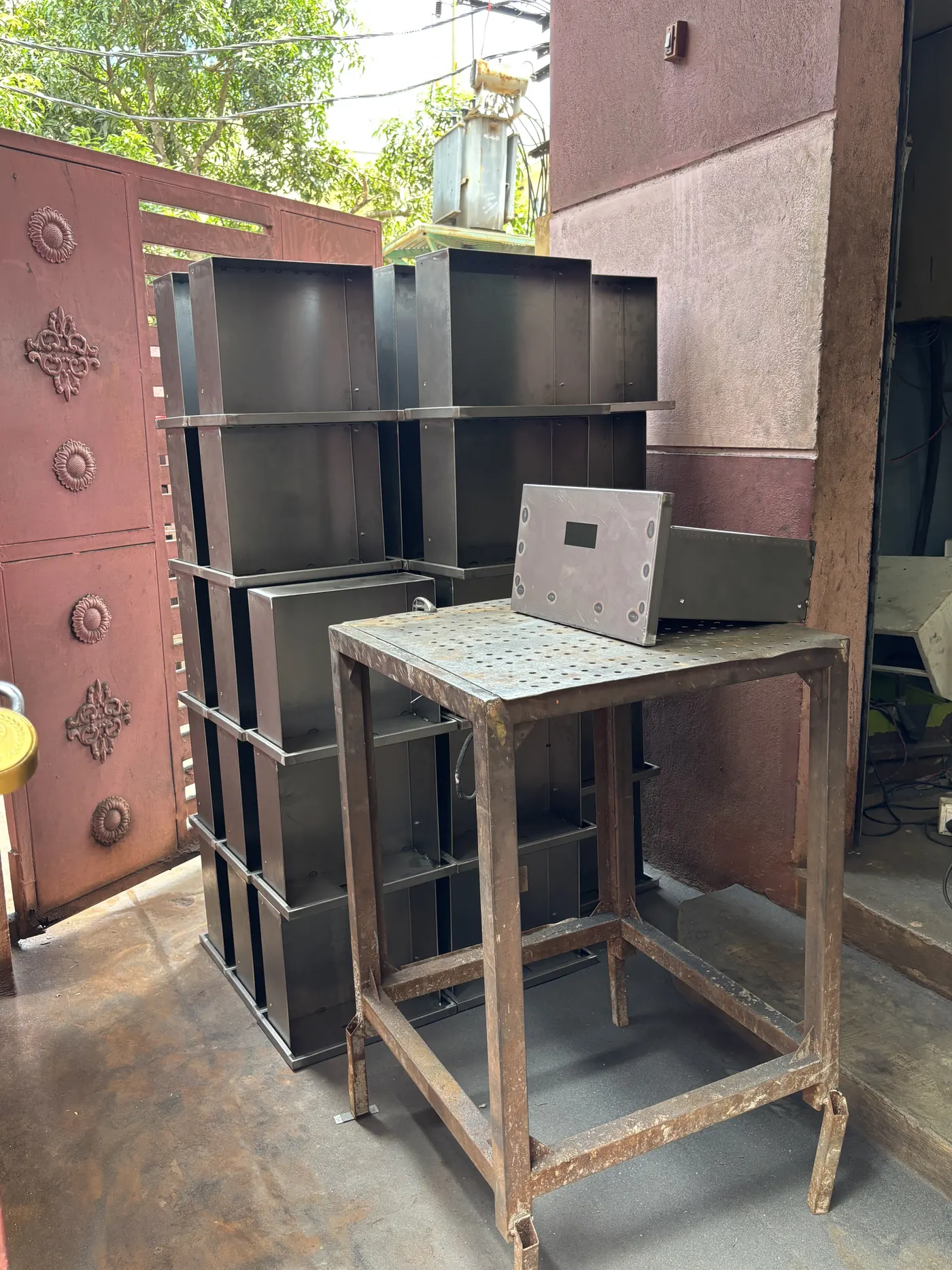
Finishing covers powder coating, zinc plating and brushed stainless. Assembly fits hardware, gaskets, hinges and fasteners so the unit ships built rather than as a flat kit. A separate QC team dimension-checks the batch against the drawing before dispatch.
Sending a drawing
DXF, DWG, STEP and PDF are all workable, and so is a physical sample when no drawing exists — reverse-engineering a part you already have is ordinary work here, not a special request.
A quotation comes back within 24 business hours of a readable drawing. If something in the geometry will cost you money for no functional gain — a radius that forces a tooling change, a tolerance tighter than the assembly needs — you hear about it with the quote rather than after the first article.