What clinical finish means in practice
Radiused internal corners rather than square ones, so there is nowhere for residue to sit and nothing that resists a cloth. Full deburring of internals — not just the surfaces on show, but drawer boxes, shelf undersides and the inside faces of panels.
Flush-fit panel joints, which depend entirely on consistent bend radii; a joint that steps by half a millimetre catches light and reads as cheap. Consistent radii come from forming on the same tooling with a bend allowance developed for the material, which is why forming and cutting sitting in one building matters more here than anywhere else.
What gets built
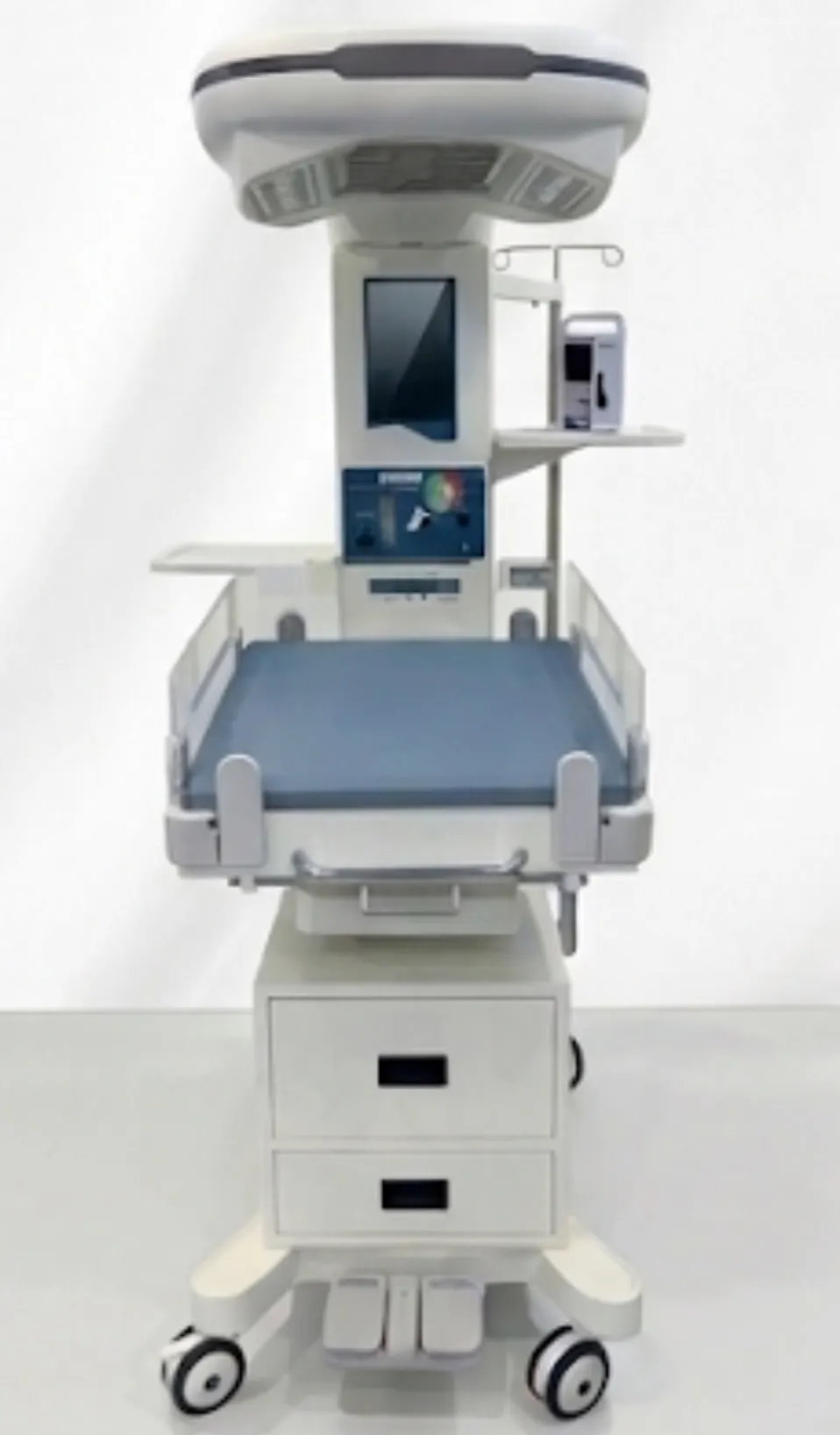
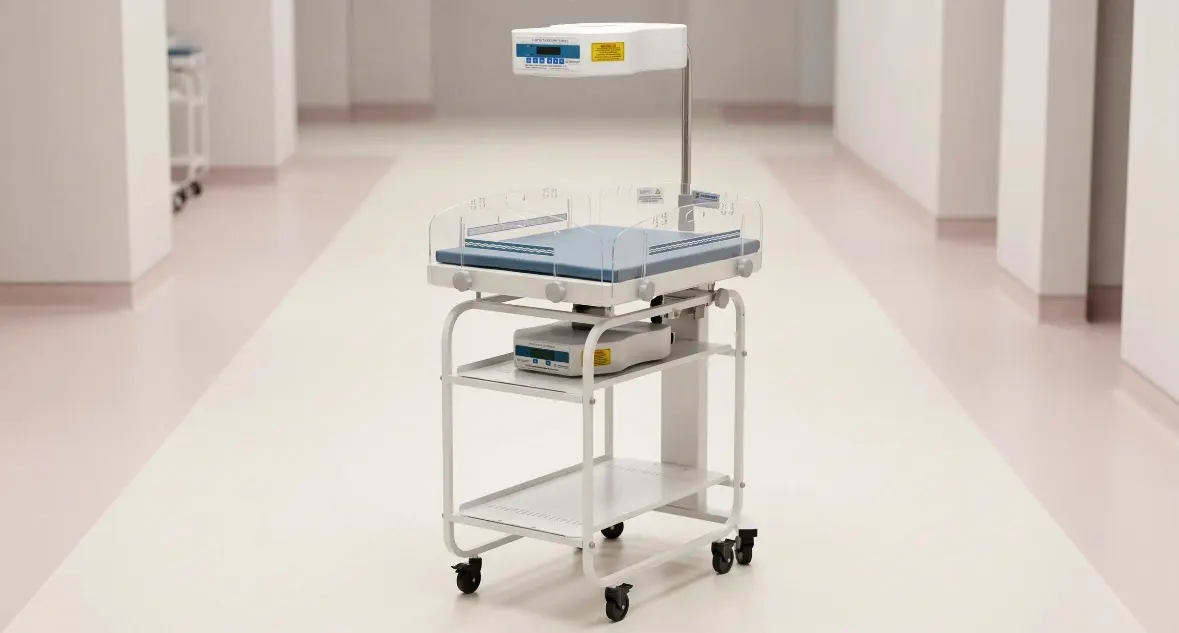
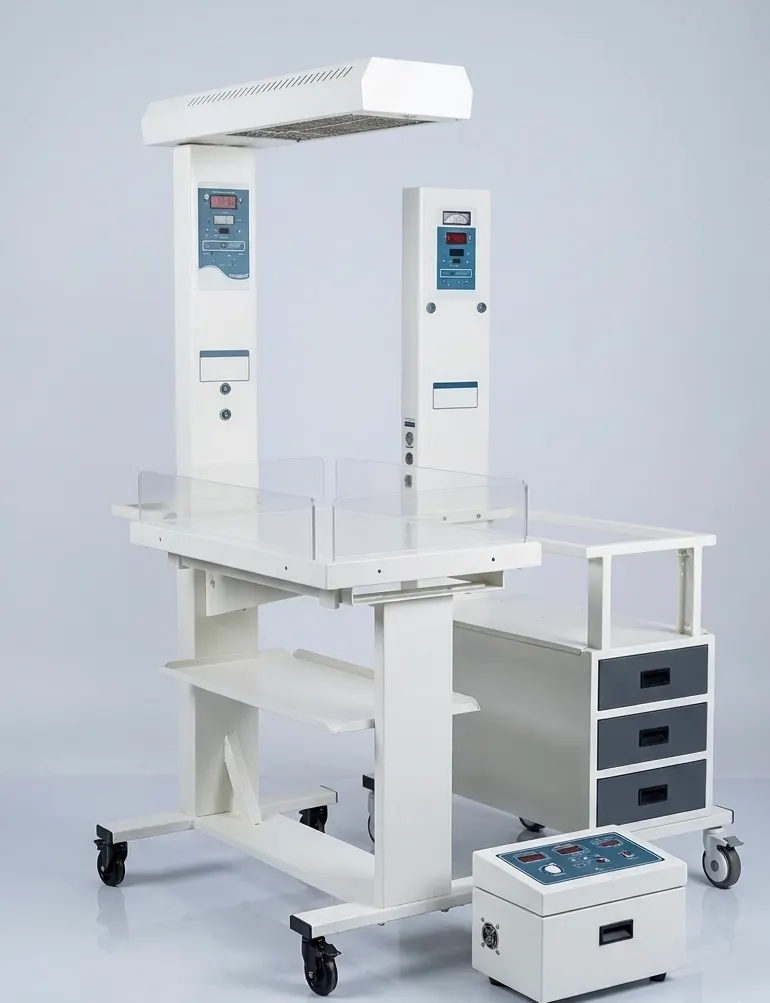
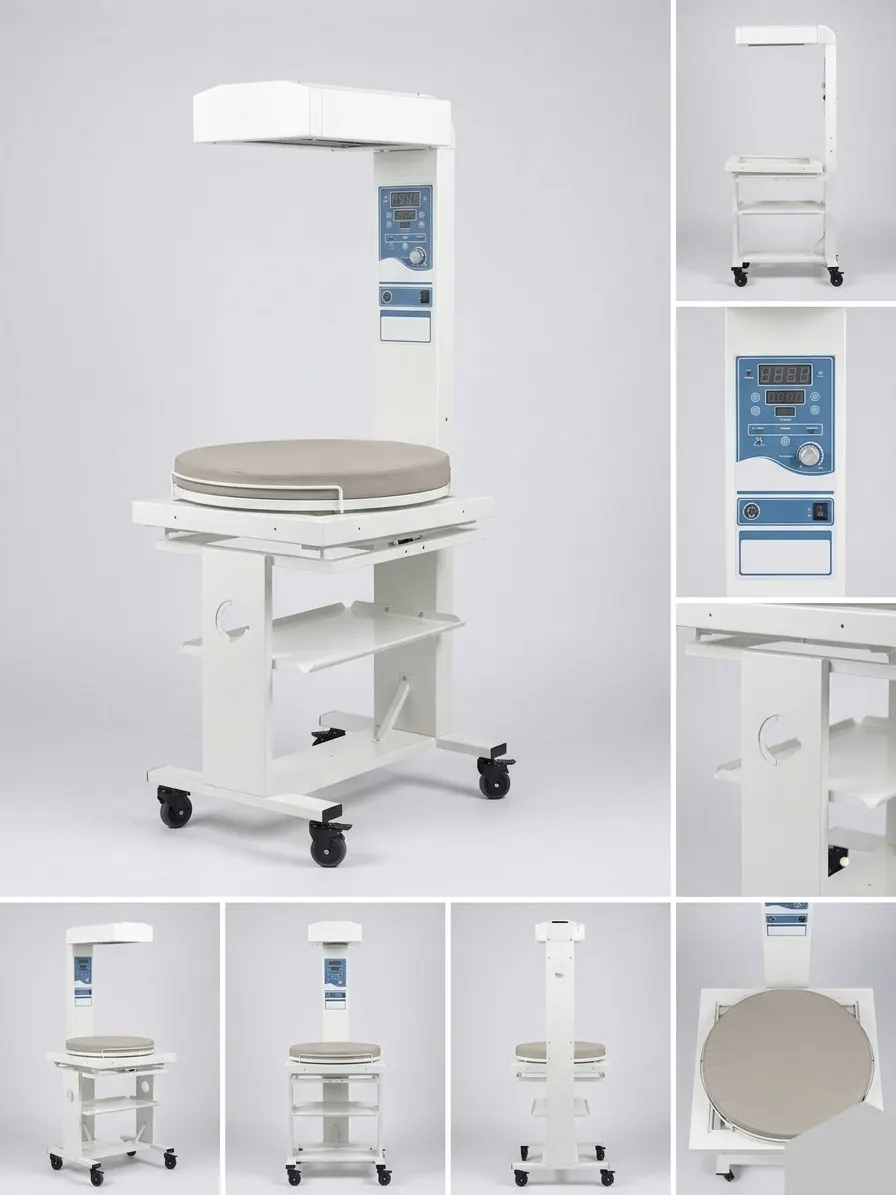
SS 304 clinical storage cabinets with telescopic drawer runners and wipe-down surfaces. Diagnostic console enclosures with vibration-tested mounting points. Mobile equipment trolleys with castor-mount reinforcement — the failure point on trolleys is almost always the castor mount, so it is reinforced rather than simply drilled.
Instrument housings fabricated to customer CAD, with ventilation slots and connector cut-outs punched in one setup so the connector panel lines up with the PCB behind it.
Material choice
SS 304 covers most clinical interiors. SS 316 is worth the premium where the equipment meets saline, aggressive disinfectants or sterilisation cycles — its molybdenum content resists pitting that 304 will eventually show.
Brushed finishes hide handling marks better than mirror ones in a working environment. Where a painted finish is acceptable, powder coat over CRCA is substantially cheaper than stainless and worth pricing as an alternative.