Designing for the service visit
The single biggest cost over a kiosk fleet's life is not manufacture — it is field service. A chassis that requires two people and a full disassembly to reach the receipt printer costs more in engineer hours over three years than the metal ever cost to build.
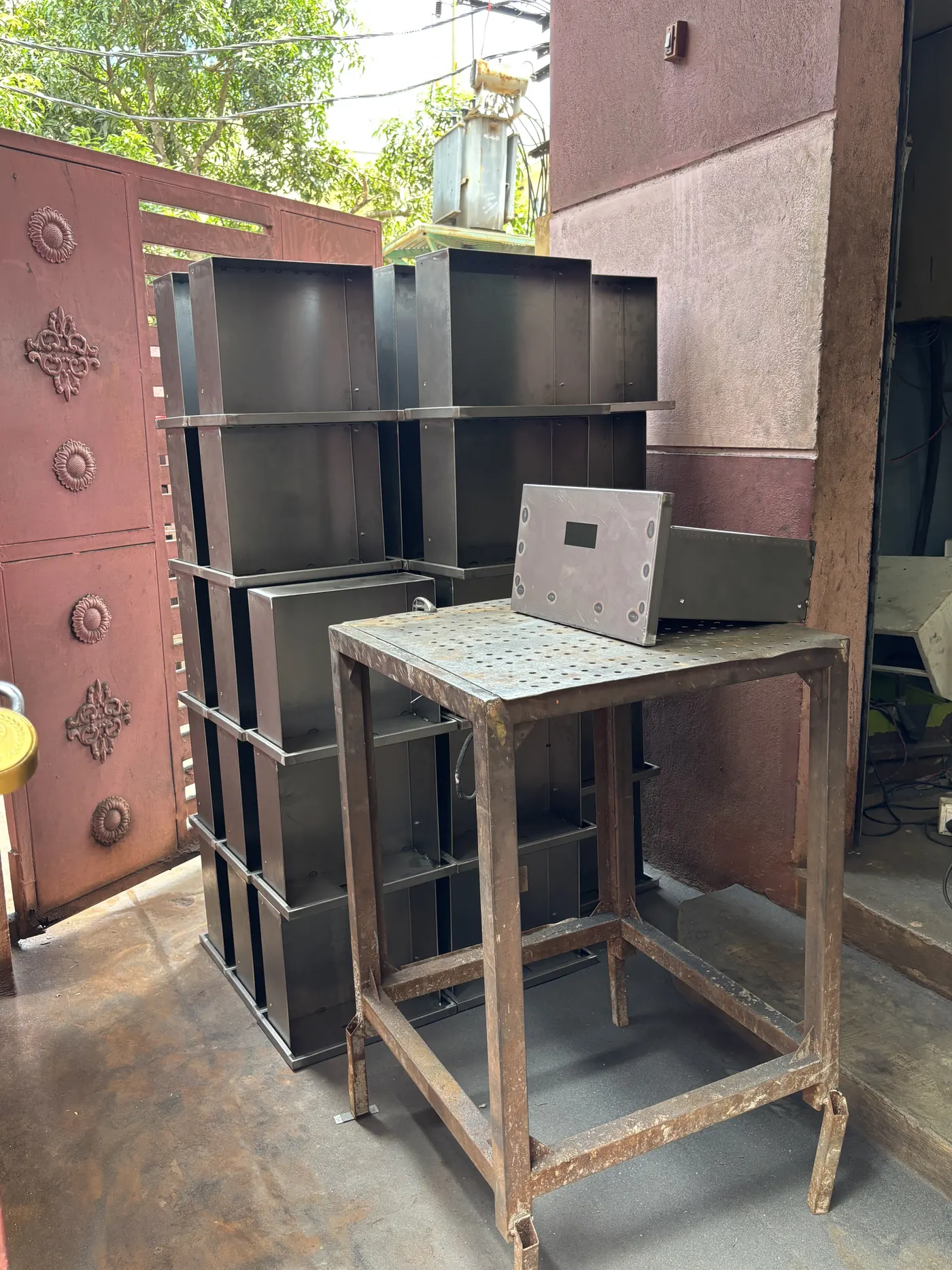
So rear access panels are sized around the component that actually needs swapping, hinged where a technician can hold them, and fastened with captive hardware that does not end up on the floor of a shopping centre.
Structure and stability
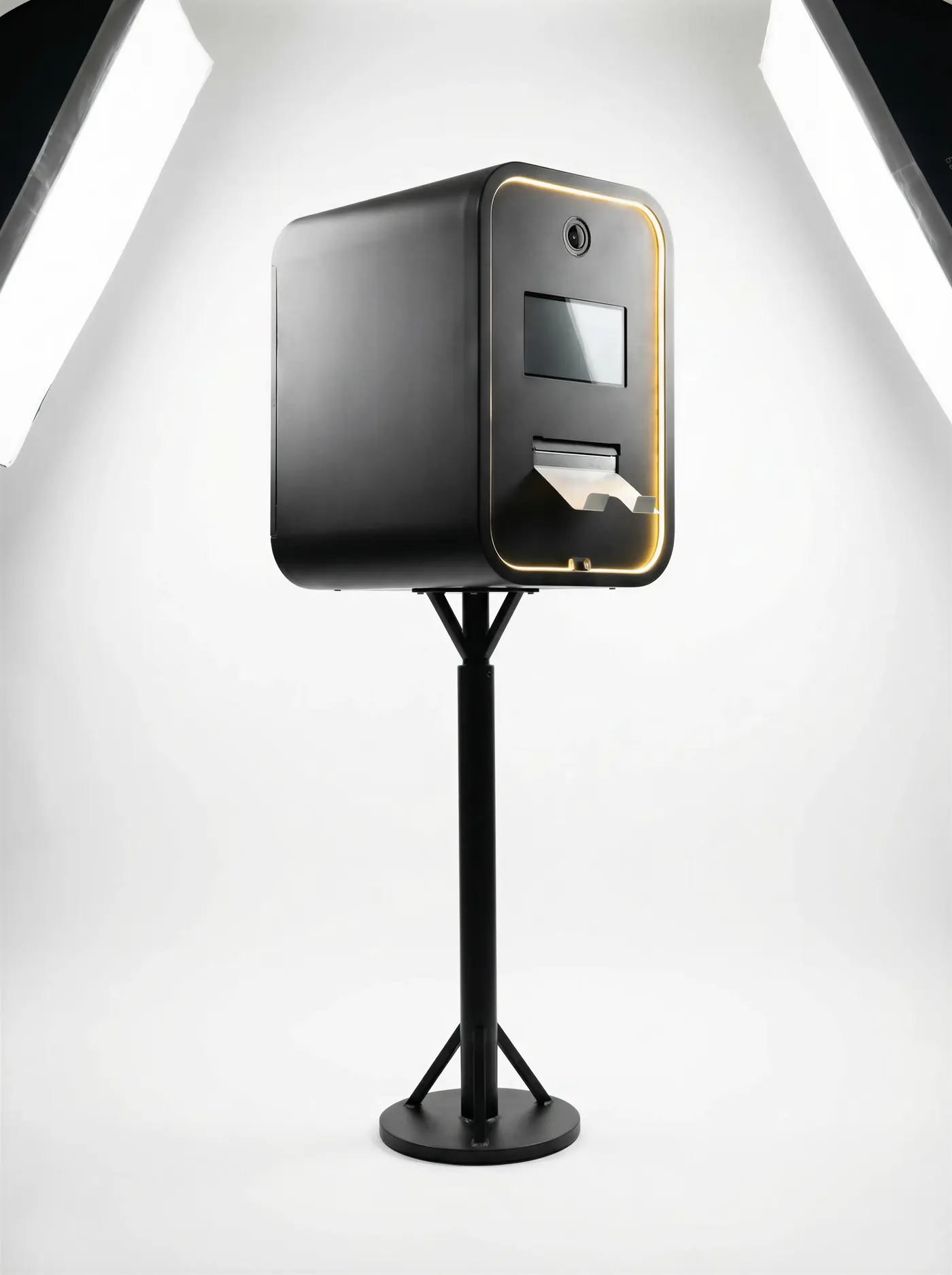
Free-standing kiosks need a base that resists a shove, which is a question of footprint, ballast provision and where the load path runs — not simply thicker sheet. Floor-fixing points are designed in where the installation allows them.
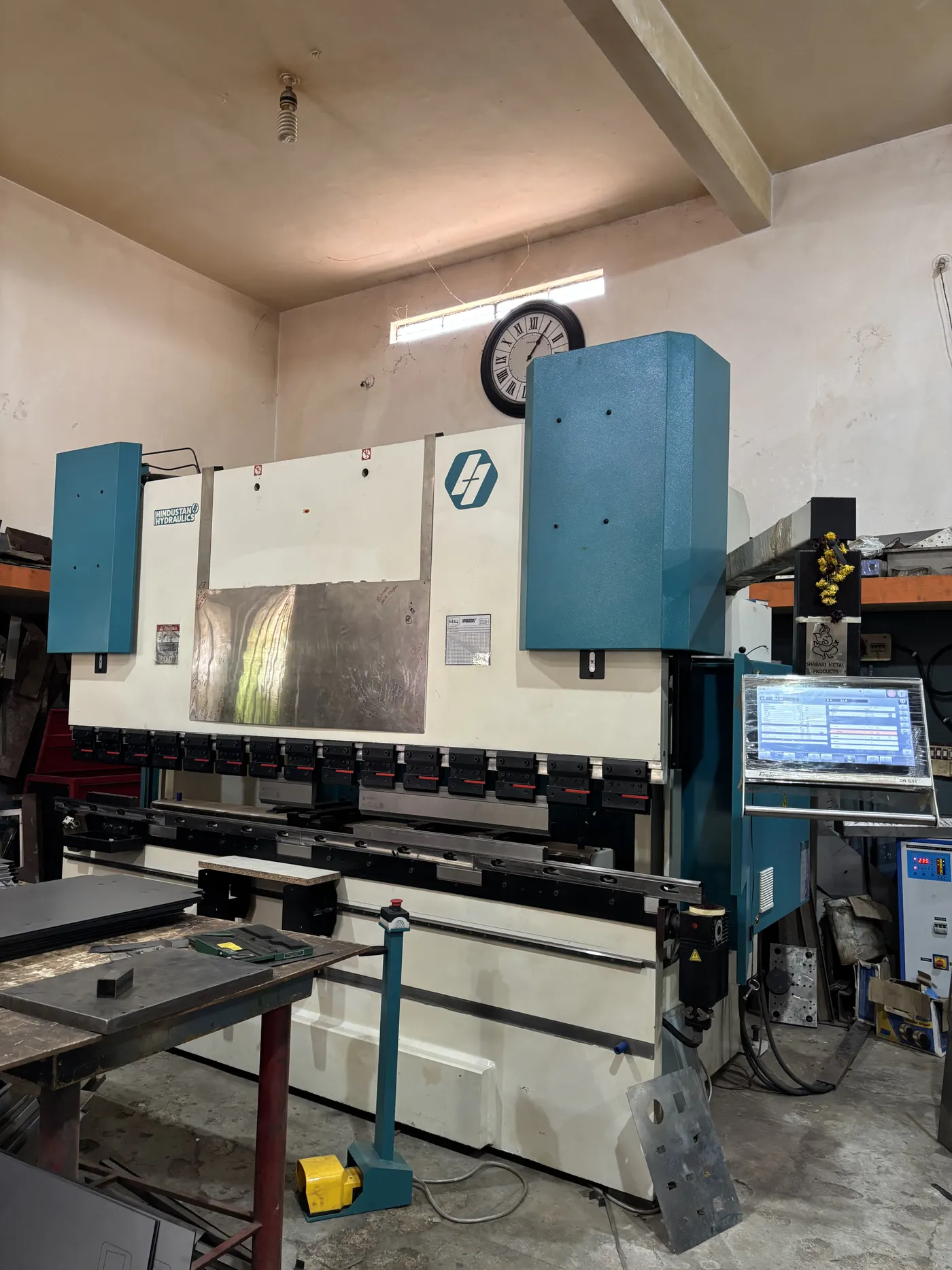
Cable routing is concealed within the chassis rather than cable-tied to the outside of it, with separation between mains and data runs. Openings for card readers, scanners, printers and displays are punched in the flat so the bezel sits flush against the fascia.
Finish that survives a public site
Powder coat over CRCA is the normal choice and takes fingerprints and cleaning better than most alternatives. Brushed SS 304 is worth it for outdoor, coastal or heavy-abuse sites and for the fascia panels people actually touch.
Repeat batches are colour-matched, which matters more than it sounds: a fleet rolled out over eighteen months in three batches should not read as three different shades under the same mall lighting.