Where enclosure builds usually go wrong
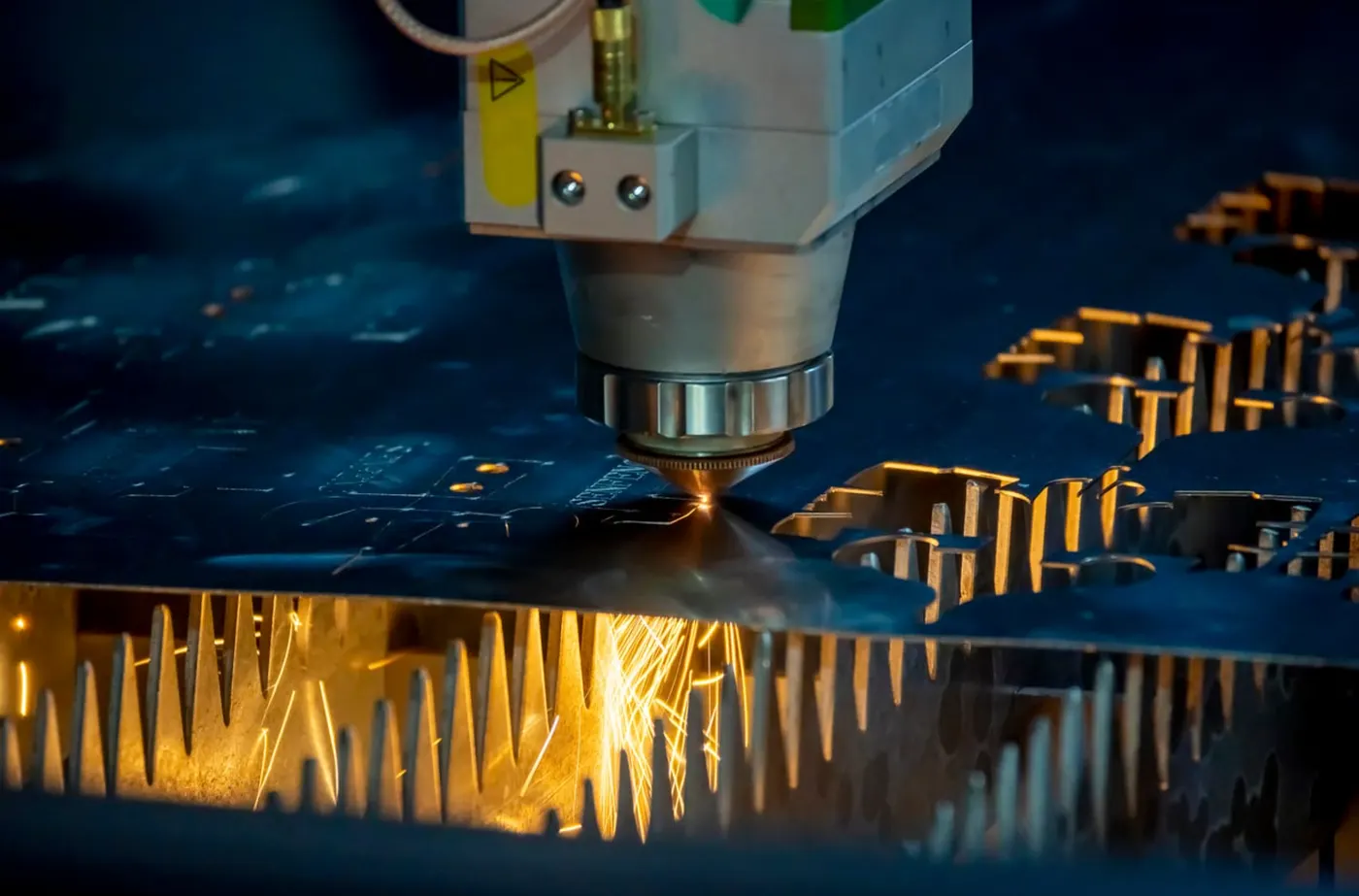
The common failure is not the metalwork — it is the sequence. Cable entries punched after forming rarely sit where the drawing put them, because the panel has already moved. Punching them in the flat, in the same setup as the mounting pattern, keeps them true.
The second is door fit. A door that closes on the bench and binds on site has usually been welded without fixturing, so the frame pulled as it cooled. Seams here are fixtured and dressed, and the assembly is checked closed before it is coated, not after.
What gets built
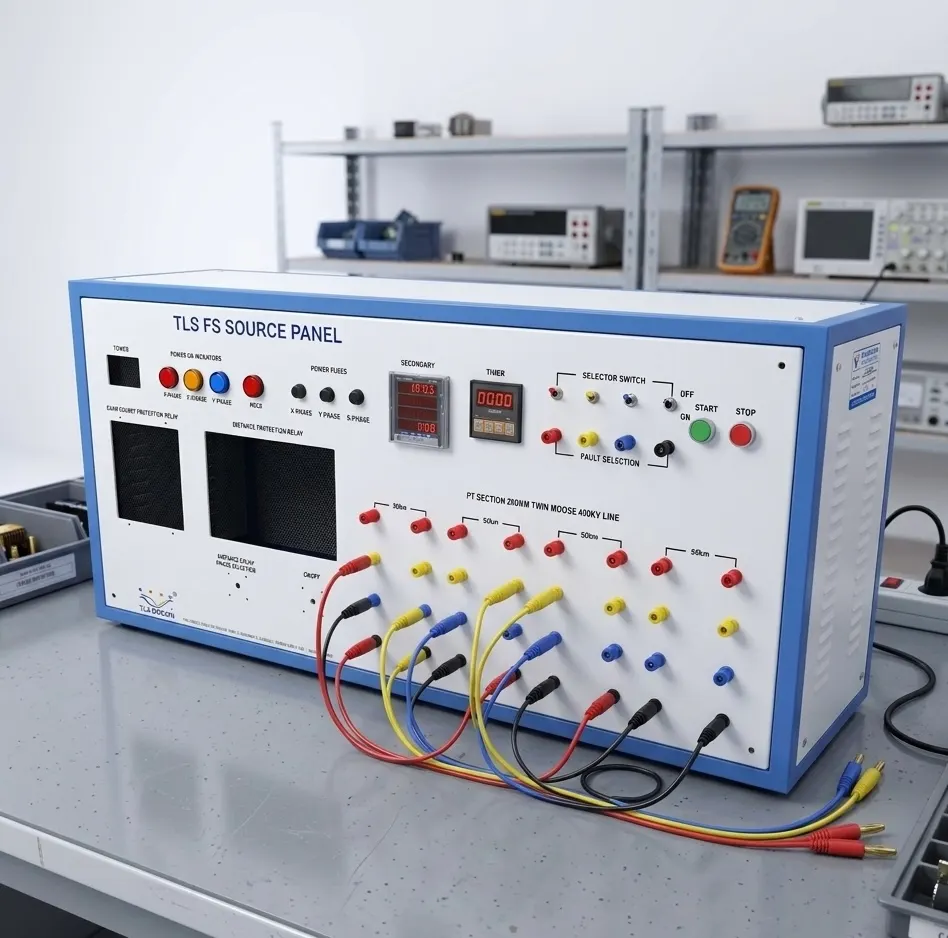
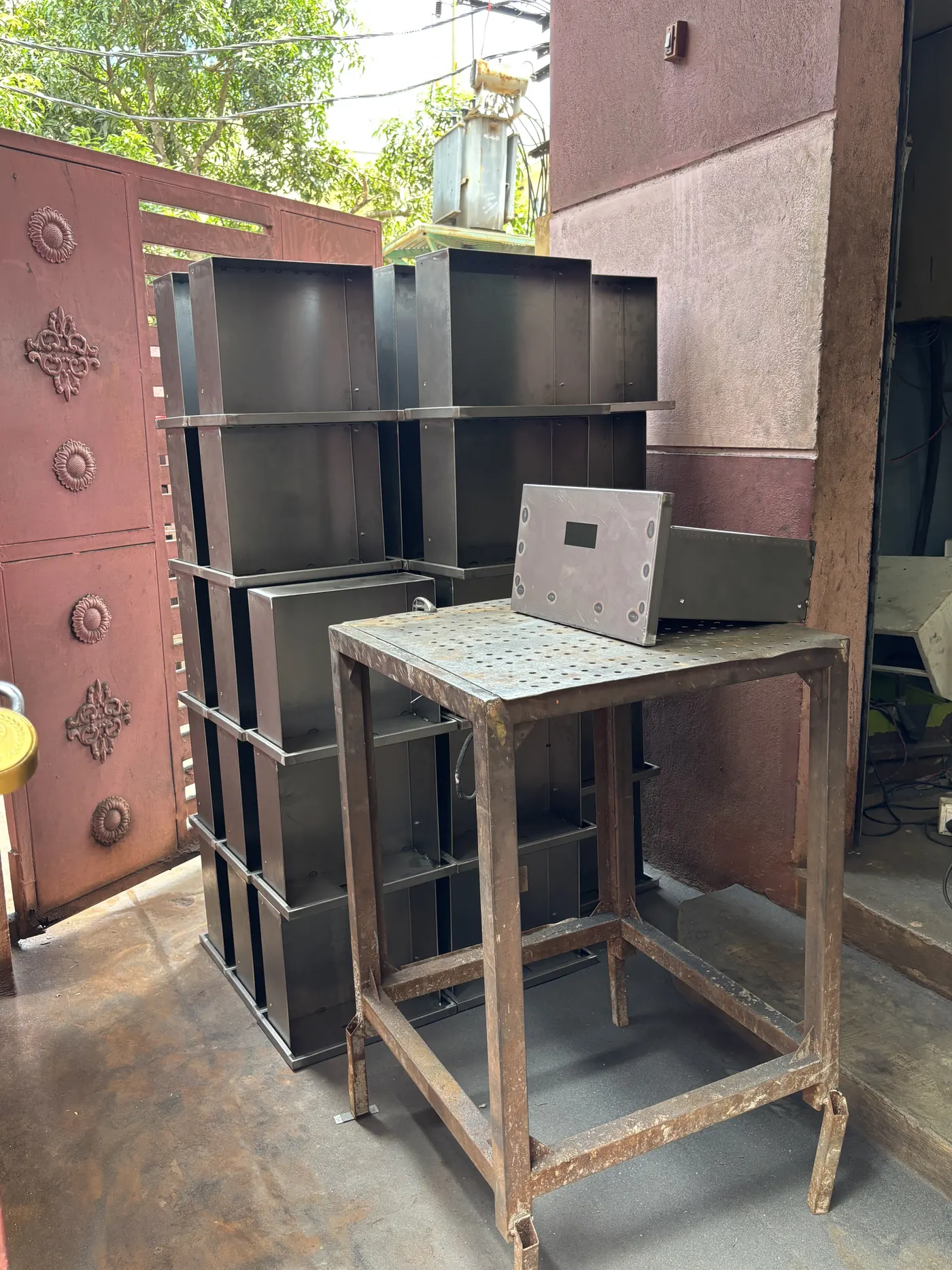
Distribution panel enclosures in 1.6–2mm CRCA, powder coated, with punched cable entries and formed gland plates. Control cabinets with mounting plates, DIN rail provision and serviceable rear access. Busbar terminal boxes and junction switchboards. Wall-mount, floor-standing and free-standing formats.
Hardware is fitted in house — hinges, locks, gaskets, earthing studs and the fasteners you specify — so the enclosure arrives assembled and closable rather than as panels to be married up on site.
On IP ratings
An IP rating belongs to a tested assembly, not to a fabrication process, and any shop that promises one before seeing your gasket, latch and gland specification is guessing. What we can do is build to the sealing design your drawing specifies: continuous gasket groove, correctly dressed seams, gland plate flatness and door compression as drawn.
If the enclosure has to be certified, tell us at drawing stage. The construction details that make a rating achievable are cheap to design in and expensive to retrofit.